Timeless Classics vs. New Trends: which men’s fragrances are best in 2026?
Ten fragrances, two ways to understand men’s perfumery and one central question: what keeps a fragrance relevant?
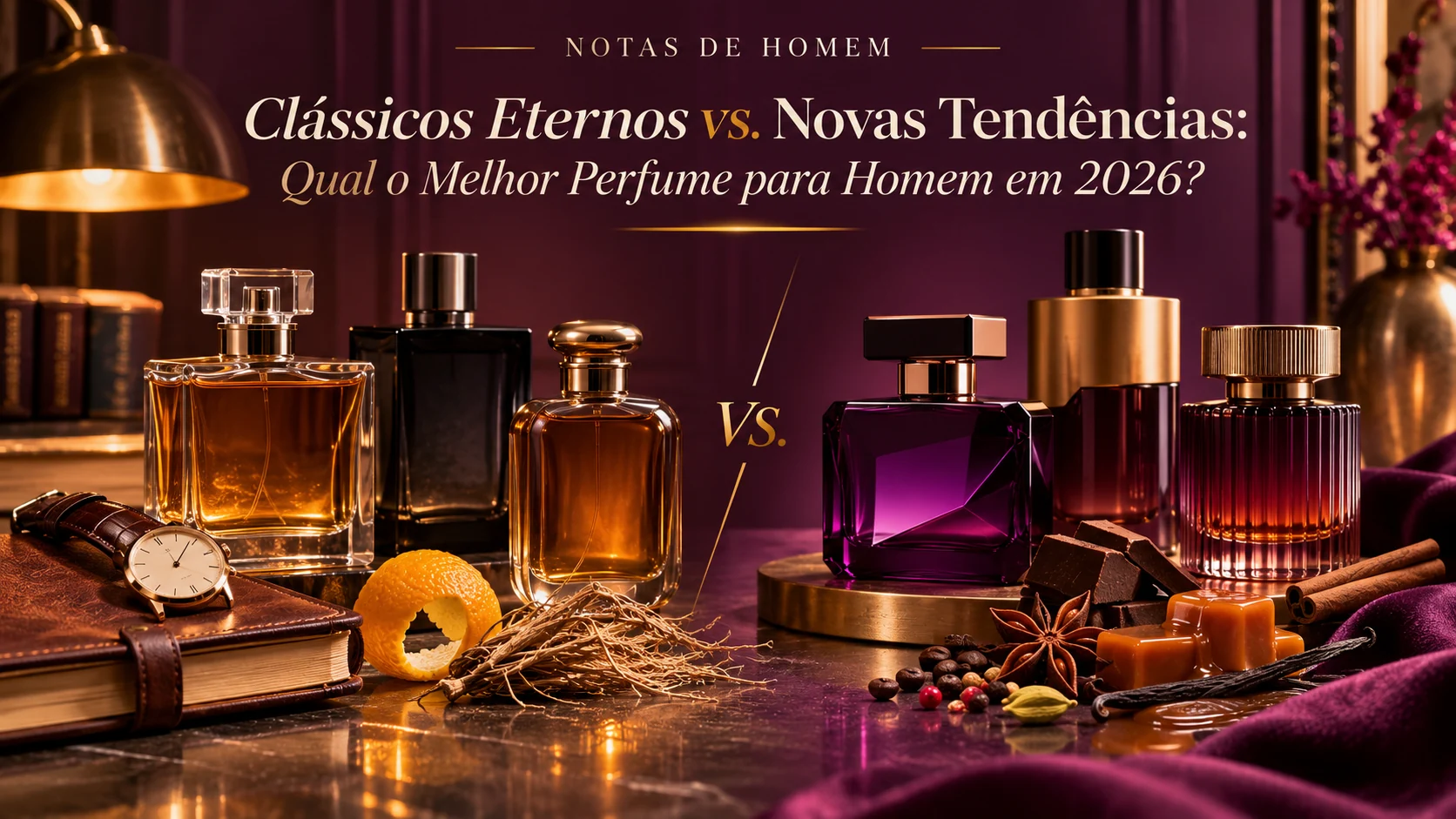
The best men’s fragrance of 2026 depends on you more than on trends
Some fragrances remain part of collective memory for decades. Others arrive while tastes change, social platforms accelerate discovery and new olfactory families become more visible. It is tempting to pick a winner between heritage and novelty. A useful comparison begins with a different question: which fragrance makes sense for your lifestyle, budget and the aromas you genuinely enjoy?
The debate is particularly interesting in 2026. Specialist publications are following more complex gourmand compositions, interest in niche houses and fragrance as a form of personal expression. Meanwhile, perfumery heritage still shapes new formulas and everyday habits. A market trend does not automatically make any fragrance the best choice for everyone. Nor does a classic’s reputation remove individual differences in preference.
This selection compares five established classics with five contemporary propositions. “Contemporary” does not mean that every bottle was launched in 2026. All ten fragrances already have individual profiles in the NOTAS DE HOMEM library, with brand sources. This is a documentary and editorial comparison: the editor has not performed independent longevity or projection tests or surveyed a representative group of consumers.
How to read the comparison without getting trapped by rankings
“Best” can mean different things: everyday versatility, a distinctive signature, comfort in a small room, ease of wear or simply enjoying a scent after three hours. We therefore avoid inventing numerical scores for every fragrance. The aim is to identify differences rather than manufacture an absolute hierarchy.
Olfactory profiles follow the brands’ documented information; occasions are editorial interpretations. Concentration is not a universal quality scale: Eau de Toilette, Eau de Parfum, Parfum and Elixir are not automatically ranked from worst to best. Popularity on social media is not the same as suitability for your taste.
It also matters which edition you compare. Houses introduce flankers, reformulations and updated presentations; a familiar name on the label does not guarantee the same formulation as an earlier edition. Follow the exact concentration and product linked in each profile.
Editorial comparison, not a sales ranking: this article does not invent wear-time hours, test outcomes or preference percentages.
Five timeless classics: why they still matter
These classics express different styles: marine, mineral, green, warm aromatic and versatile woody. Their longevity offers a useful starting point for exploring perfumery, but it is not proof that they outperform new fragrances.
 01 / 05
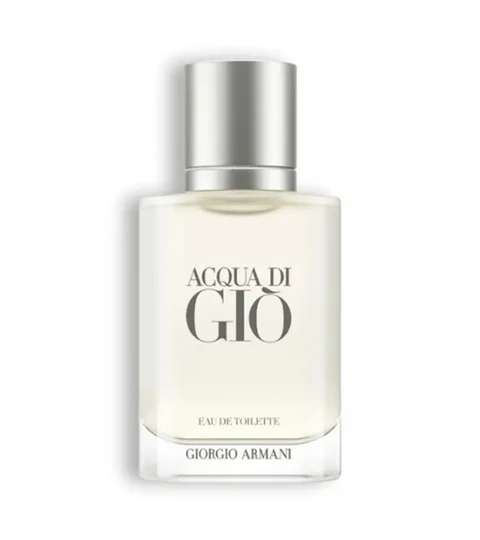
Giorgio Armani Acqua di Giò EDT
Brand-described profile: Marine and aromatic, with bergamot and a musky base.
Suggested setting: For someone who values freshness and everyday versatility.
Acqua di Giò remains a reference for people who prefer a luminous marine scent for workdays, walks or summer routines. Its relevance does not depend on novelty: it meets a clear need for freshness without a dense signature. Familiarity does not equal universal appeal, however. Someone who enjoys leather, darker woods or spices may find its aquatic direction too restrained.
 02 / 05
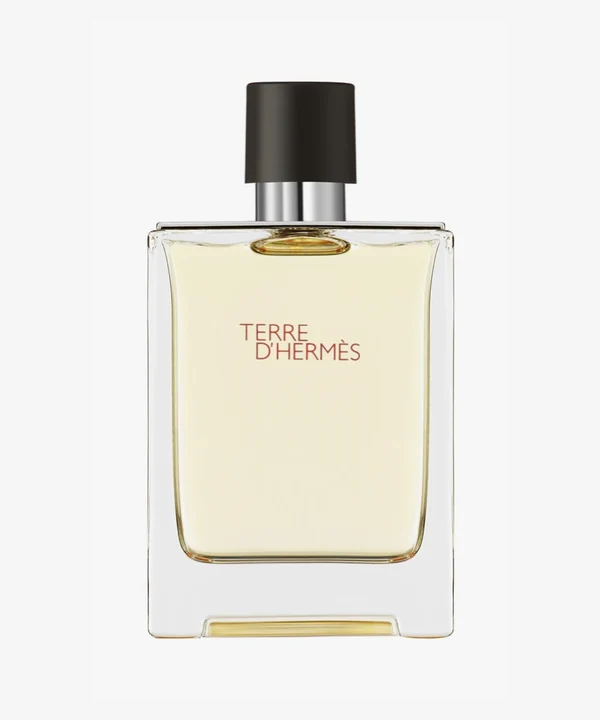
Terre d’Hermès EDT
Brand-described profile: Grapefruit, cedar and a flinty mineral accord.
Suggested setting: For those who enjoy structured woods and quiet character.
Terre d’Hermès represents the more mineral, earthy side of this group. Citrus, woods and the flinty accord give a less conventional interpretation of masculine freshness. It is an editorial choice for people who favour understated clothes, natural materials and scents without pronounced sweetness. In a side-by-side purchase decision, test it alongside an aromatic fragrance; the differences are easier to appreciate after the opening settles.
 03 / 05
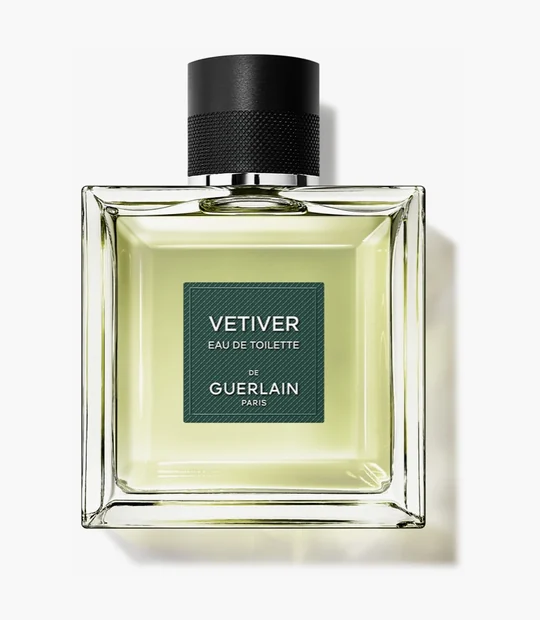
Guerlain Vétiver EDT
Brand-described profile: Citrus and spice over a vetiver-led base.
Suggested setting: For lovers of heritage and a dry, green character.
Guerlain Vétiver shows how a recognisable signature can remain relevant for decades. Vetiver adds a dry, green dimension that contrasts with the sweetness of many recent releases. It can work for someone seeking restraint, formality or unmistakable heritage. That does not make it better than newer perfume; it offers a profile some consumers find less frequently among gourmand-focused launches.
 04 / 05
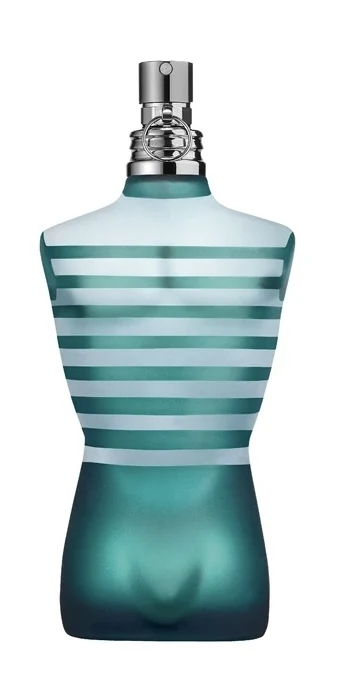
Jean Paul Gaultier Le Male EDT
Brand-described profile: Lavender, mint and vanilla in a warm aromatic profile.
Suggested setting: For those drawn to contrasts between freshness and comfort.
Le Male EDT illustrates why classic versus modern is not simply a difference between fragrance families. Lavender and mint recall familiar aromatic styles, while vanilla adds warmth. It is expressive, but it should not be confused with Le Male Elixir or Le Parfum. Comparing the original with a newer flanker is one of this article’s most useful exercises: it shows how a brand evolves an idea without automatically replacing it.
 05 / 05
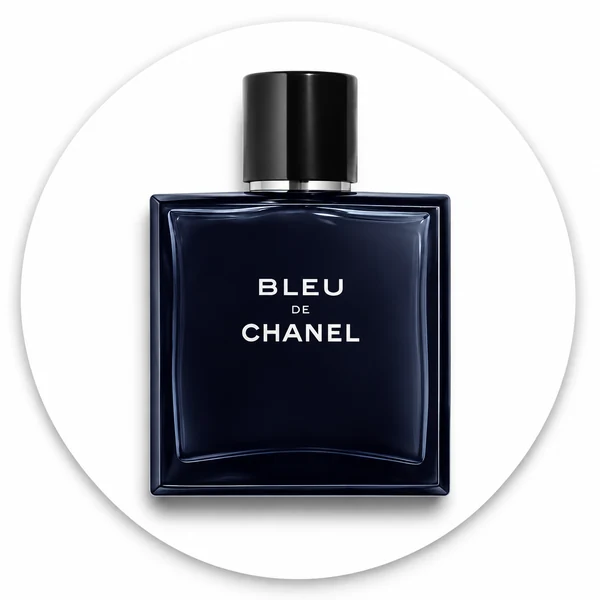
Bleu de Chanel EDT
Brand-described profile: Citrus, aromatic facets and woods.
Suggested setting: For anyone seeking versatility across work and leisure.
Bleu de Chanel EDT is a contemporary classic: not part of the older history of perfumery, yet firmly established as an aromatic-woody reference. The Eau de Toilette presents a brighter direction than some denser versions in the same line. Its main editorial advantage is flexibility, not a universal ranking. Test the exact concentration: Eau de Toilette, Eau de Parfum and Parfum are different products.
Five contemporary proposals: what they add to the debate
Contemporary variety appears in amber interpretations, warmer versions of established classics, Arabian fragrance houses and more textured gourmand or aromatic combinations. These are not all 2026 releases; they reflect different aspects of current fragrance culture.
 01 / 05
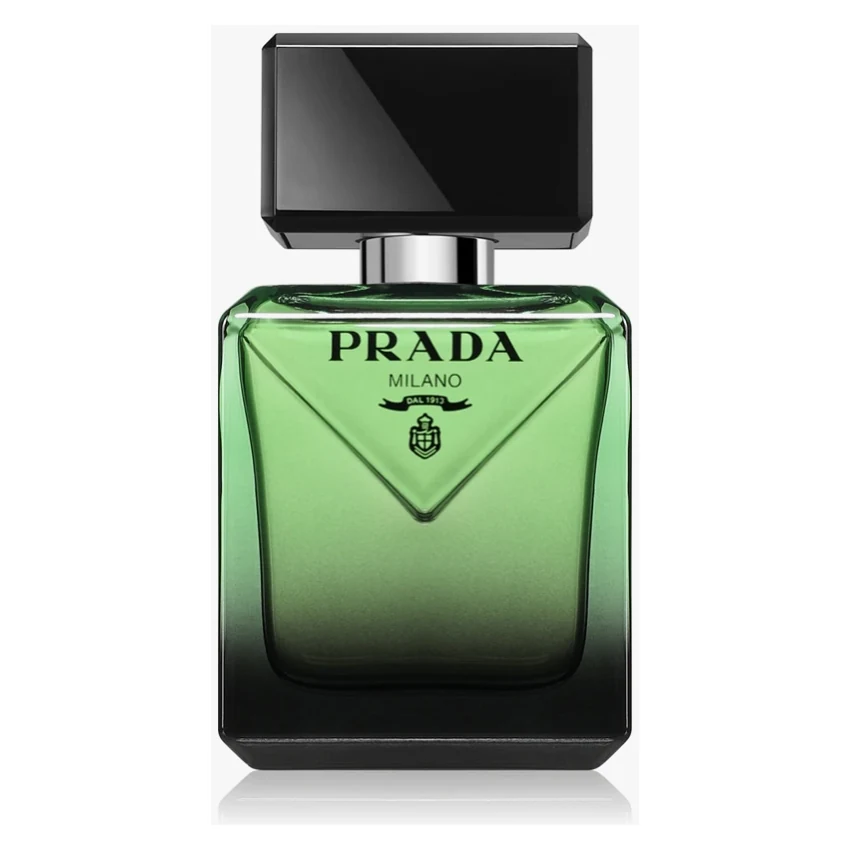
Prada Paradigme EDP
Brand-described profile: Amber-woody, offering a contemporary approach to men’s fragrance.
Suggested setting: For anyone curious about a newer interpretation of amber.
Prada Paradigme EDP represents the search for new approaches to familiar fragrance families. Rather than assuming that a recent scent is automatically innovative, compare the amber-woody structure, how it evolves and the gap it fills in a collection that may already contain aromatic classics. It suits someone looking for variety without losing recognisable reference points. Check the exact product and concentration before buying.
 02 / 05
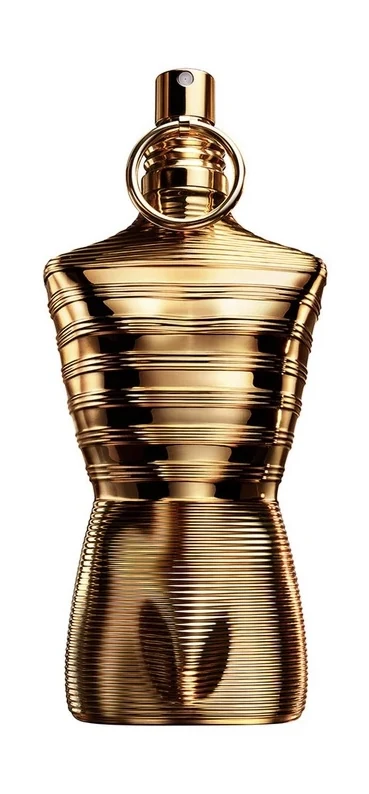
Jean Paul Gaultier Le Male Elixir
Brand-described profile: Lavender, tonka bean and benzoin in a warm profile.
Suggested setting: For cooler evenings and fans of enveloping accords.
Le Male Elixir is especially informative beside Le Male EDT. Although the two share a brand legacy, the more recent composition may feel warmer and denser, with tonka and benzoin highlighted. There need not be an overall winner: one wearer may prefer the original’s versatility; another may favour Elixir for evenings. Application and setting matter, and wear-time figures should not be invented without documented tests.
 03 / 05
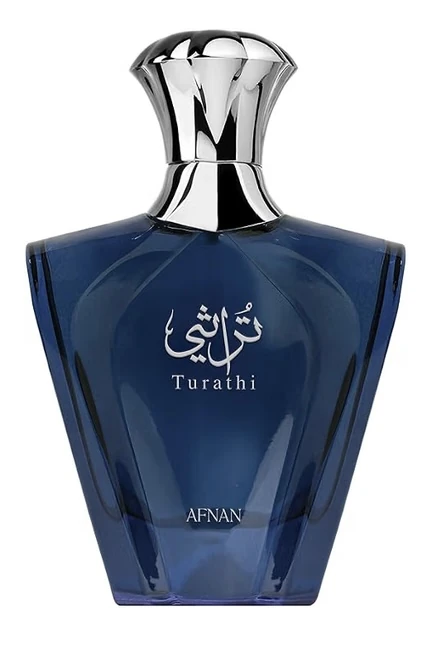
Afnan Turathi Blue EDP
Brand-described profile: Citrus, woods and spices.
Suggested setting: For exploring Arabian perfumery beyond very sweet styles.
Turathi Blue EDP adds another perspective amid the visibility of Arabian houses in the men’s fragrance market. Its citrus-woody-spicy style shows that this category is not limited to very sweet scents. Comparing it with Bleu de Chanel can clarify preferences for freshness, spice and woods—not because they are interchangeable or guaranteed duplicates. Check real purchase prices, which vary by store and market.
 04 / 05
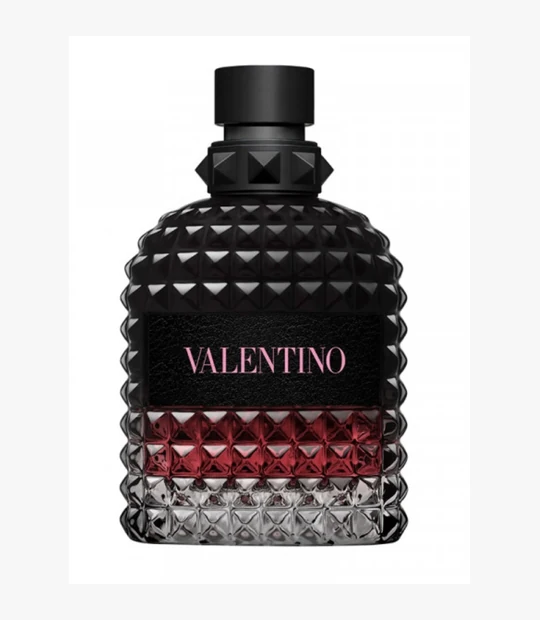
Valentino Uomo Born in Roma Intense EDP
Brand-described profile: Vanilla, lavandin and vetiver, with spices.
Suggested setting: For anyone preferring a warmer, more expressive composition.
Valentino brings classic polish into a current composition where vanilla meets lavandin and vetiver. The brand-described structure contrasts aromatic elements with a comforting base. It is an editorial candidate for evening occasions or for wearers who enjoy a more noticeable signature. That does not justify promises about projection or exact wear time. During a comparison, check whether the sweetness remains pleasant later on.
 05 / 05
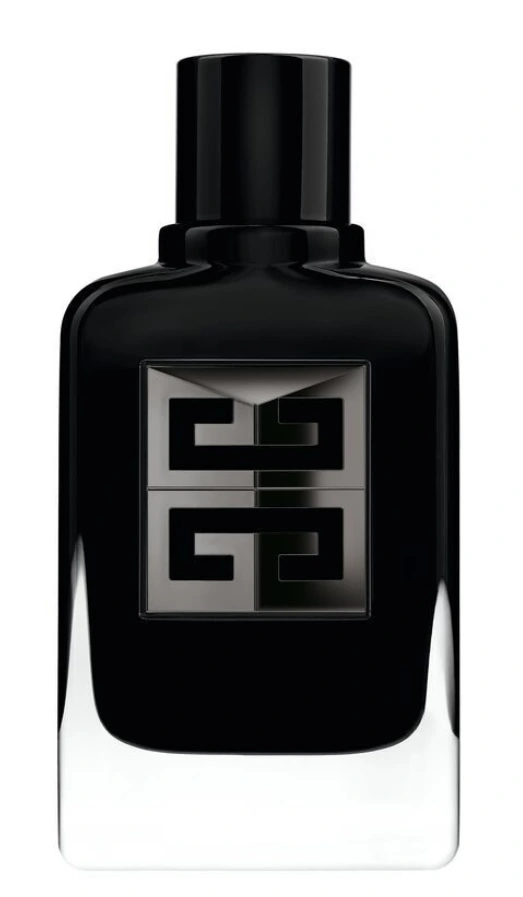
Givenchy Gentleman Society Extrême EDP
Brand-described profile: Clary sage, peppermint, spices, coffee and woods.
Suggested setting: For anyone interested in aromatic contrasts and texture.
Gentleman Society Extrême combines aromatic clary sage and peppermint with spices and a coffee note. It is a useful contemporary example because innovation does not have to abandon familiar structures: a new contrast or texture can change the experience. Editorially, it may appeal to wearers who enjoy following different stages of a fragrance. The real scent and intensity should be evaluated on skin, without assuming identical outcomes for everyone.
Classic vs. contemporary: what actually changes?
| Criterion | Classics | Contemporary |
|---|---|---|
| Versatility | Marine and aromatic classics can be convenient reference points for everyday use. | Newer propositions range from versatile options to more distinctive signatures. |
| Olfactory identity | Recognisable structures with a clear history and context. | Contrasts, warmer accents, spices and new interpretations of familiar families. |
| Occasions | Options for offices, walks and regular wear. | Some editorial choices fit evening, cooler weather or experimentation. |
| Price | A familiar name does not guarantee the lowest price per 100 ml. | Recent, Arabian or niche positioning does not automatically determine value. |
| Informed choice | Brand recognition may create expectations that deserve testing. | Launch excitement and social recommendations also require a skin trial. |
What 2026 trends suggest—and what they cannot prove
Vogue’s March 2026 analysis highlighted a willingness to experiment, layer fragrances and adapt a scent to mood or occasion. Rather than a single lifelong signature, some consumers prefer a small scent wardrobe. This matters when planning a collection, but it does not mean everyone has abandoned their favourite fragrance.
Perfumer & Flavorist described the evolution of gourmands in 2026: vanilla and edible-style accords are combined with woods, minerals, spices or leather for more textured results. That is an industry observation, not a guarantee that sweet fragrances last longer or earn more compliments.
The Spate report for 2026 also identified momentum in interest around notes such as vanilla, pistachio, honey and chocolate, using signals gathered from specified US platforms and time windows. These findings should not automatically be applied to Portuguese consumers. The practical point is that wider choice and more marketing messages make trying before buying even more important.
Which should you choose? Five practical scenarios
- I need a weekday office fragrance: Start with Acqua di Giò EDT, Bleu de Chanel EDT and Prada Paradigme EDP; compare comfort and intensity in enclosed spaces.
- I prefer dry, green or less-sweet scents: Try Guerlain Vétiver EDT and Terre d’Hermès EDT before deciding.
- I want a fragrance for a cool evening: Compare Le Male Elixir and Valentino Uomo Born in Roma Intense with moderate application.
- I want to explore Arabian perfumes: Turathi Blue is a documentary starting point; try it without assuming it is interchangeable with another brand.
- I like aromatic contrasts and gourmand notes: Compare Le Male EDT with Givenchy Gentleman Society Extrême to discover two very different approaches to warmth and spices.
A real-world test matters more than a score out of ten
Choose two fragrances from different groups and test them on comparable days, with similar amounts and without layering other scents. Record your first impression, revisit them after 30 minutes, two hours and towards the end of wear. This is not a laboratory measurement; it is a way of reducing the weight of an immediate reaction.
Compare comfort, suitability for the venue, your own skin experience and enjoyment as the day progresses. Do not keep adding sprays just because you no longer notice the scent; olfactory adaptation may be involved. An external opinion can be helpful, but never treat it as a universal verdict.
Before buying, compare the actual price per 100 ml, the amount you expect to use, return conditions and the availability of a sample. A perfume you wear often may deliver more personal value than a trending launch bought impulsively and left unused.
Four mistakes to avoid when comparing classics and trends
- Treating old as obsolete: Launch year is not a measure of quality or personal suitability.
- Assuming louder is better: A discreet scent can be more comfortable in offices, transport and close interactions.
- Buying only from viral recommendations: Trends describe collective interest, not your individual skin or preference.
- Ignoring concentration and edition: Similar names can cover Eau de Toilette, Eau de Parfum and different annual versions.
Is there a winner between classics and new trends?
There is no universal winner. Classics can be useful reference points: they help you discover whether you prefer marine freshness, vetiver, mineral woods, lavender or familiar aromatic styles. Contemporary proposals offer different textures and directions, but they do not automatically replace what already works for you.
If you are starting out, sample three distinct profiles: one fresh, one dry or woody and one warm. If you already own a collection, identify a genuine gap before adding another bottle. The most informed purchase is not necessarily the newest or most famous one; it is the one that fits your actual use.
Frequently asked questions
What is the best men’s fragrance of 2026?
There is no universal answer. For versatility compare Acqua di Giò EDT and Bleu de Chanel EDT; for drier styles look at Terre d’Hermès EDT or Guerlain Vétiver EDT; for warmth consider Le Male Elixir or Born in Roma Intense.
Does a classic fragrance last less than a new release?
Age does not determine wear time. Formula, dose, skin, environment and perception matter more. We do not claim independently measured longevity.
Are Arabian fragrances always stronger?
No. The category includes many families and concentrations; Turathi Blue is one citrus-woody example, not a rule for an entire market.
Should I buy EDT or EDP?
Try the exact concentration. Compositions, perceived intensity and suitability may differ, and higher concentration is not automatically better.
Sources and editorial transparency
Profiles are based on official brand pages and the NOTAS DE HOMEM documentation. Occasions and the selection are editorial interpretations. No independent comparative wear tests were performed; profile images help identify products while the cover is illustrative.
- Vogue · Fragrance Trends 2026
- Perfumer & Flavorist · 2026 Scent Landscape
- Spate · 2026 Predictions (PDF)