Office Fragrances: Elegance Without Excess
Professional fragrance should create a considered impression, never take over the shared workplace.
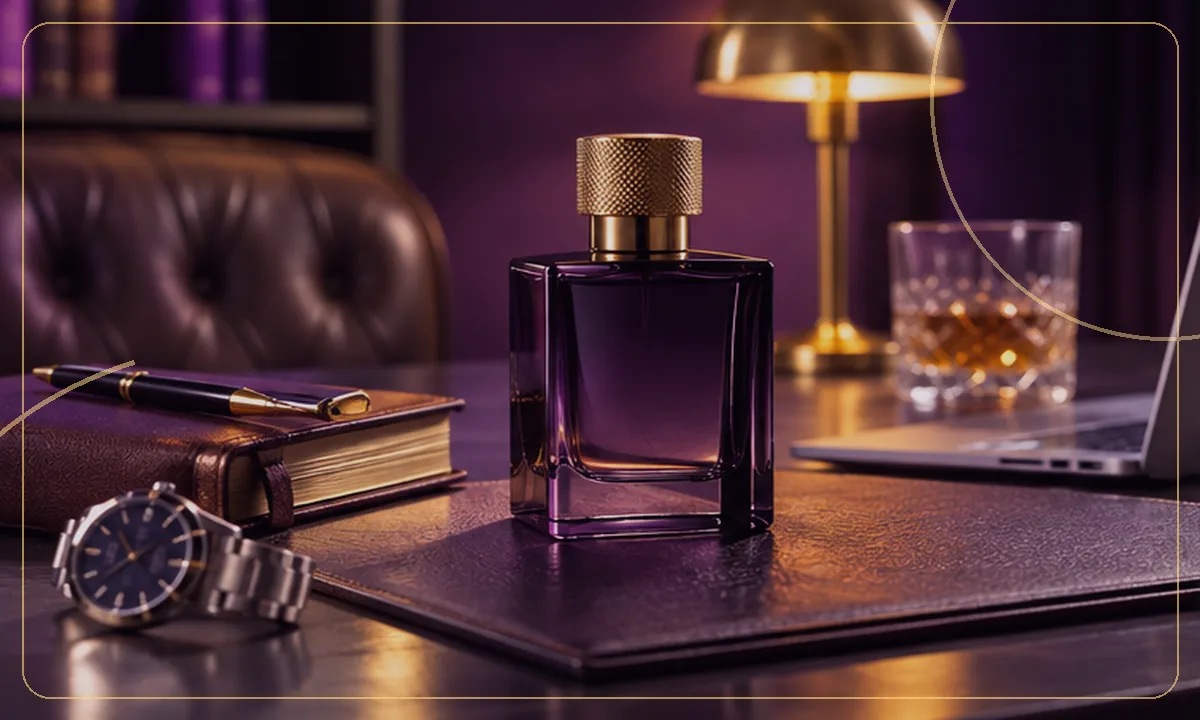
A professional fragrance should be discovered, not imposed
Perfume at work is a question of proximity, expectations and respect. The person sitting next to you may have a different tolerance for scent, and a small meeting room amplifies the effect of your application. Elegance in this context is not about being noticed from across the office; it is about looking after the impression you create at conversational distance.
A fragrance can feel subtle to you because your nose has adapted to it. That does not mean everyone else perceives it the same way. Start with fewer sprays than you might use outside work and take local workplace guidance seriously, particularly in scent-sensitive settings.
Which fragrance families work well?
Clean aromatic, gentle citrus, transparent woody and soft musky profiles often offer practical starting points. A well-balanced fragrance may project moderately rather than fill a corridor. Some sweet, smoky, gourmand or resinous scents can also work in controlled doses, but they need extra scrutiny in crowded spaces.
Do not use a marketing label such as “fresh” as proof of discretion. A citrus opening can be surprisingly forceful, while some rich fragrances settle close to the skin. Test the actual perfume rather than relying on the category alone.
Three questions before buying
Where will I wear it? An open-plan office, shared car, medical setting and home working environment place different demands on fragrance use.
How close will other people be? Consider meetings, public transport and enclosed spaces.
Do I still enjoy it late in the day? Test the dry-down before committing to a full bottle.
Applying perfume without excess
Apply to clean, dry skin with a modest initial dose. Allow the fragrance to settle before deciding whether anything more is necessary. Clothes can retain scent differently from skin; be cautious with delicate fabrics and do not assume they are safe for spraying.
Fragrance cannot replace personal hygiene, and repeatedly spraying during the day may cause stronger accumulation than you realise. If a colleague signals discomfort, the considerate response is to reduce or stop use—not to debate whether the perfume is objectively good.
EDT versus EDP at work
A lighter-sounding label is not a reliable shortcut. An EDT can project strongly, and an EDP may remain quite close to the skin. Formulas differ even within one named product family. Focus on actual scent character and dosage. If you need help choosing, compare our EDT, EDP and Elixir guide.
Four working environments, four strategies
Open-plan offices: favour soft projection and low dosing; avoid topping up out of habit.
Client meetings: choose a comfortable, familiar fragrance rather than a new experimental scent.
Long commuting days: remember that trains, buses and lifts are shared spaces; subtlety is often preferable.
Working from home: you have more freedom, making it a useful setting for sampling a fragrance that might be too intense elsewhere.
Three-day trial
Day one: wear a single modest spray and note whether it remains pleasant at midday. Day two: repeat the same dosage while observing different environments. Day three: decide whether the scent serves the role you intended. If you can obtain an honest perspective from someone you trust, use it as one additional observation—not as a vote on your identity.
Mistakes that undermine a good choice
Blind-buying an intense fragrance for a small office, using a large quantity to compensate for reduced self-perception, and choosing solely on the basis of online longevity claims are common ways to turn a good product into a poor professional choice.
Some fragrances worth sampling for this setting include Prada L’Homme, CK One, Boss Bottled and Terre d’Hermès. They are examples of different profiles, not guaranteed office-safe choices for every wearer or environment. Test them personally and respect the people who share your space.
Professional elegance is the art of leaving the right impression—not the loudest one.
 How to Build a Versatile Fragrance Collection
 How to Choose the Right Men’s Fragrance